
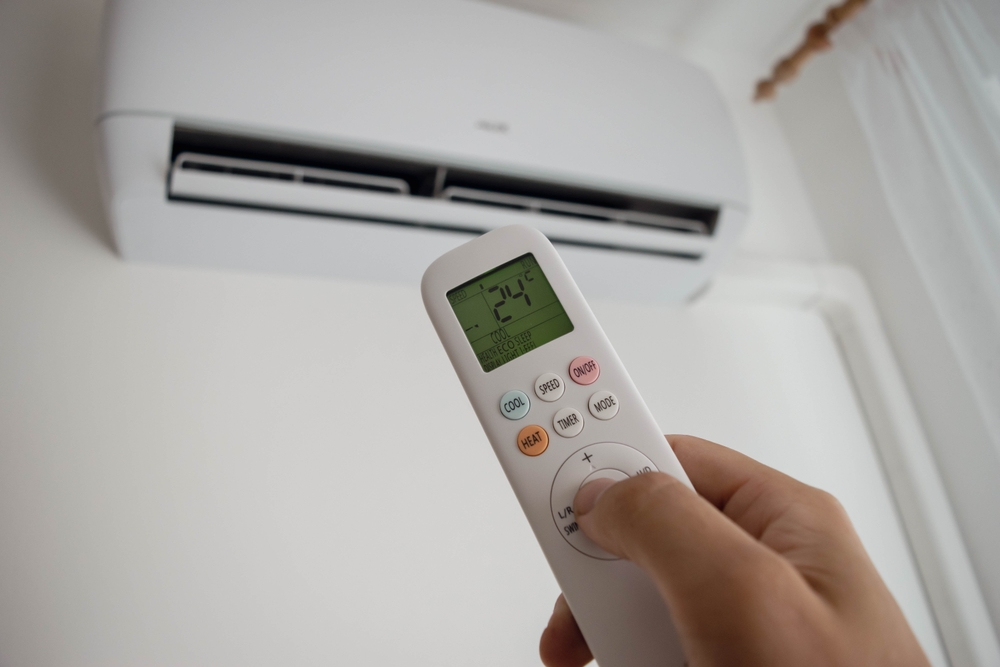
Not all homes are set up for traditional heating and cooling systems. Even homes with existing central air might face issues when trying to extend their HVAC systems to address hot and cold spots that make parts of your house uncomfortable.
That’s where ductless systems come in. But what does a mini split do? How does it work? They offer a solution for folks who need help with temperature control in certain areas. If you’re trying to figure out your HVAC options for a home without an existing system, or simply looking for a better way to manage uneven temperatures, learning how ductless systems work could really benefit you.
What Is a Ductless HVAC System and How Does It Work?
Ductless systems provide heating and cooling without needing traditional ductwork. Instead of pushing conditioned air through ducts, a ductless HVAC system uses individual indoor units connected to an outdoor condenser to heat or cool your home. This allows air to be delivered directly into specific rooms or zones, giving you more control over your home’s comfort and energy use.
Main Components of a Mini-Split System
A typical mini-split system includes:
- An outdoor condenser unit
- One or more indoor air handlers
- Refrigerant lines and electrical connections
- Remote controls or smart thermostats
These components are connected through a small opening in an exterior wall, meaning there’s no need to install normal ductwork.
How Ductless Systems Heat and Cool
Understanding how ductless HVAC works isn’t complicated. This type of HVAC system uses heat pumps to move heat rather than create it. When it’s in cooling mode, heat is removed from inside your home and transferred outdoors. In heating mode, it does the opposite, pulling heat from the outdoor air and bringing it inside.
One of the biggest advantages of ductless heating and cooling is having zoned temperature control. Each indoor unit operates independently, allowing different rooms to maintain different temperatures based on the temperature you set.
Benefits of Ductless HVAC Systems
Energy Efficiency
Because ductless systems deliver conditioned air directly into the rooms they’re set up in, there’s none of the energy loss that can happen when air has to travel through traditional ductwork. Since more of the conditioned air is reaching your spaces, you don’t spend as much to keep your home comfortable.
Zoned Comfort and Better Temperature Control
One of the biggest reasons to choose a ductless system is the ability to control the temperature room by room. You can customize the temperature in different areas of the home without affecting the entire house. This is especially beneficial if you’ve added rooms to your house or finished your garage and are trying to figure out a climate control solution.
No Need for Ductwork
For homes without existing ducts, ductless systems mean you don’t have to spend money on any major remodels to put in ductwork in order to get the comfort you want. Installing a mini split is easy and doesn’t require an invasive construction project.
Quiet Operation
Most HVAC systems are loud, and that can be distracting if you’re trying to relax or need to concentrate. A mini-split air handler is quieter than central air systems, making it a popular choice for bedrooms, home offices, and living areas where you need it to be quieter most of the time.
Potential Eligibility for Rebates and Tax Credits
Depending on the equipment installed and available programs, homeowners may qualify for utility rebates or federal tax incentives that help offset installation costs.
Potential Drawbacks to Consider
While using ductless HVAC systems comes with a number of benefits, they aren’t right for every home. They require a larger upfront investment and ongoing maintenance compared to window AC units, which are another common option for areas that need standalone climate control. Another thing to consider is how mini-splits can interfere with your home decor because the indoor air handlers are visible, which you may not like if you’re used to the hidden components of a traditional central HVAC system.
Lastly, you need to consider your home’s heating and cooling needs. Depending on your floor plan, existing HVAC equipment, and ultimate end goal, a traditional ducted system or high-velocity HVAC system may ultimately be a better fit.
Best Uses for Ductless HVAC in Chicagoland Homes
Ductless systems are especially practical if extending the existing ductwork is not feasible, whether it’s too expensive or too difficult to do for your property. Common areas where installing a mini-split system makes the most sense are:
- Older homes without existing ductwork
- Home additions and renovation projects
- Finished attics and basements
- Sunrooms and enclosed porches
- Garages and workshops
Do Ductless Systems Work in Chicago Winters?
One of the biggest concerns about investing in a ductless system is whether it will be able to cope with Chicago’s cold winters.
Modern heat pumps are far more capable of handling cold weather than older versions, with many being able to operate in temperatures well below freezing. During extreme cold snaps, supplemental heating may still be beneficial in some homes. However, if you make sure your system is the right size and professionally installed, it will have no problem keeping up with Illinois climate swings.
How Much Does a Ductless Mini-Split Cost?
The cost of a ductless mini-split system depends on several factors, including:
- Number of indoor units or zones
- Heating and cooling capacity requirements
- Electrical upgrades
- Installation complexity
- Home layout and accessibility
Taking advantage of any available rebates and tax incentives can help make the cost more manageable. To get accurate pricing and equipment recommendations for your home, you’ll need to schedule an HVAC consultation.
Ductless Mini-Split vs. Other HVAC Options
No HVAC solution is right for every home. The best choice for your property depends on your home’s construction, your comfort goals, and whether you’re upgrading an existing system or starting from scratch.
- Central Air: Best for homes with existing ductwork and if you want whole-home heating and cooling from a single system.
- Window Units: Can provide temporary or budget-friendly cooling for individual rooms, but are typically not intended as a long-term solution.
- High-Velocity HVAC: A good option for older homes where traditional ductwork is difficult to install, but you still want a more centralized heating and cooling system.
- Traditional Furnace and AC Systems: A common choice for homes that already have ducts and you’re looking to stick with what’s familiar.
Ultimately, the right system depends on how your home is built, how you use the space, and what type of home comfort you’re looking for. Getting a professional evaluation can help you determine which option fits your needs the best.
Maintaining Your Ductless HVAC System
Routine maintenance helps keep your system operating at maximum efficiency and performance level. Fortunately, keeping a ductless system in good condition isn’t hard to do. You need to clean the indoor filters regularly to maintain good airflow, keep leaves, snow, and debris away from the outdoor unit, and schedule annual professional maintenance that can catch potential issues and keep your system running.
Signs Your Mini-Split Needs Service
Addressing these issues early can help prevent larger repairs and unnecessary strain on your system. Contact a professional if you notice:
- Reduced heating or cooling performance
- Water leaks
- Unusual noises
- Error codes on the display
- Reduced airflow
Is a Ductless HVAC System Right for Your Home?
The best HVAC system isn’t necessarily the most popular option. Your ideal system depends on what you’re looking to get out of it and what your home’s limitations may be. A ductless mini-split can be an excellent solution, but determining whether it’s the right fit will require a closer look at your space and figuring out the exact challenges you’re trying to solve.
From older homes and historic properties to modern additions and renovation projects, our team provides honest recommendations based on what will work best for your home, not a one-size-fits-all approach. If you’re considering a ductless system, schedule an appointment with our experts to explore your options and find a comfort solution that fits your needs.