After keeping your home warm all winter, your furnace may not be working as well as it did at the start of the season. Months of constant use can take a toll on your heating system, which leads to reduced efficiency, inconsistent performance, or even early system failure.
As the weather warms up, think about how your system performed during the colder months. By identifying signs that your furnace might be failing early, you can determine whether your system is nearing the end of its lifespan and if it’s time to consider getting a new one.
How Winter Exposes Furnace Problems
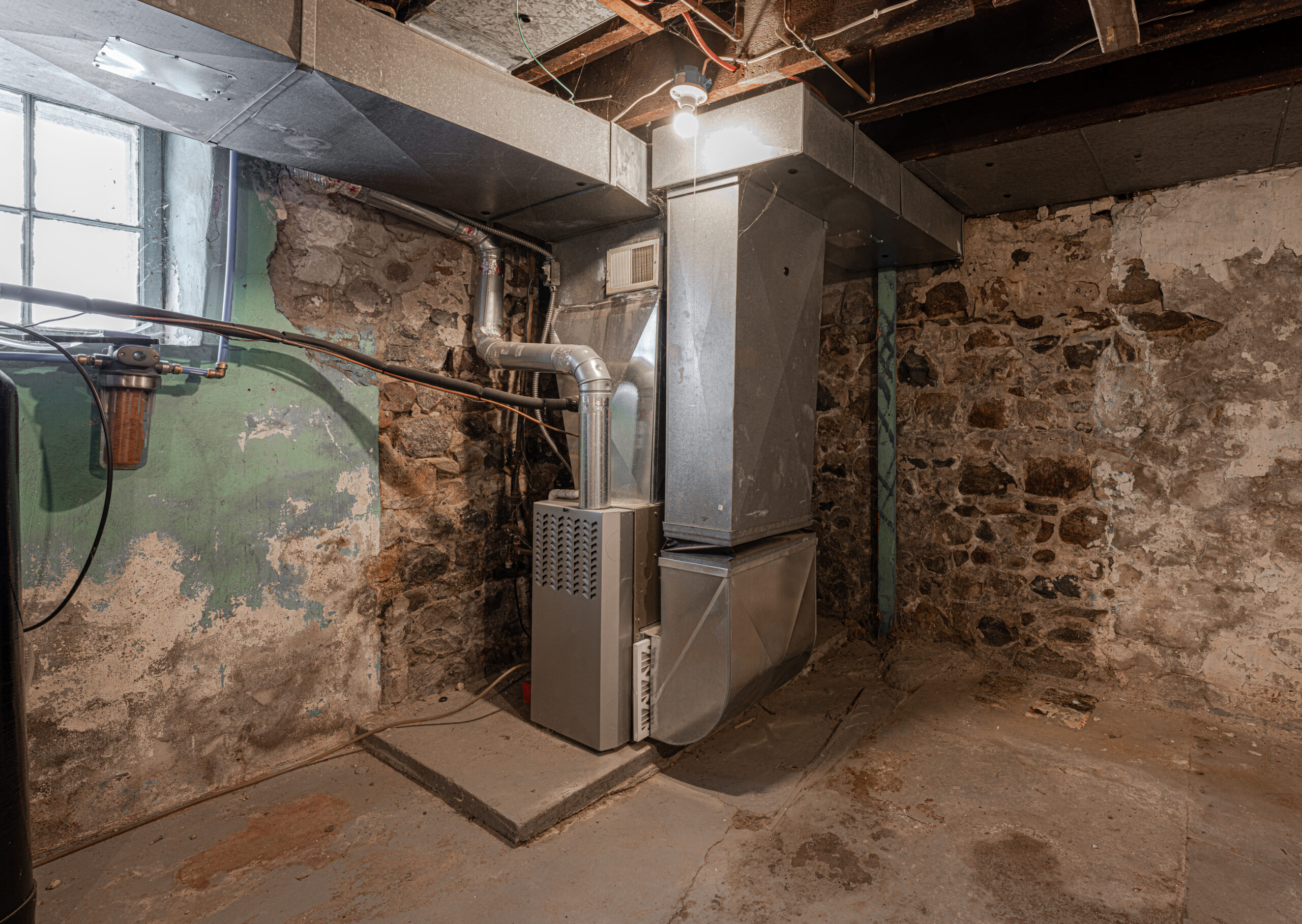
In places with colder winters, like northern Illinois, heating systems run continuously with very little downtime. This constant use of your furnace can strain the main internal components:
- The blower motor that circulates air through your home
- The heat exchanger that allows your furnace to burn gas safely
- The ignition system that ignite the fuel your furnace uses
- The electrical connections and control system that tell your furnace what to do
Over time, this strain may cause damage that isn’t immediately noticeable. Furnace issues may not be apparent until spring when your system finally has a chance to run less frequently.
Warning Signs Your Furnace Is Failing
Uneven Heating Throughout Your Home
One of the most common symptoms that your furnace may be struggling to work effectively is uneven heating throughout your home. If you notice that some rooms in your home are warm while others are significantly cooler, your home has a heating issue. Although it is normal to have slight temperature variations, uneven heating may be a symptom of a larger problem.
This can be due to:
- Airflow restrictions
- Ductwork issues
- Inefficient performance
Unusual Noises During Operation
A furnace should be relatively quiet. If you hear unusual noises, it’s important to pay attention to the type of sound, as it could give you an idea of the kind of trouble it might be having.
Furnace sounds and what they may indicate:
- Banging or popping: Possible delayed ignition or expanding metal
- Rattling: Loose components or panels
- Squealing: Worn belts or motor issues
- Grinding: Serious mechanical wear
Rising Energy Bills
If your energy bills have risen this winter for no reason, it may be a sign your heating system is becoming less efficient. As your furnace gets older and starts to break down, it requires more energy to deliver the same level of heat. This can cause your energy bills to increase, which you’d notice first, since performance issues can take time to develop. A sudden increase in your electric or gas bill can be an indicator that something isn’t right with your furnace.
Common signs to watch for include:
- Higher monthly energy bills without increased usage
- Longer run times to reach the same temperature
- Your system is struggling to maintain consistent heat
- Increased energy use compared to previous winters
Frequent Repairs
Needing the occasional heating repair is normal, however, if you’ve had to call for repairs multiple times this winter, that is a red flag that your system is near the end of its lifespan.
Frequent repairs can indicate:
- Aging components
- Recurring system failures
- Unresolved mechanical issues
At a certain point, continuing to spend money on repairs doesn’t make sense. If you’re spending more and more to fix your heating system, you might need a new furnace.
Short Cycling or Constant Operation
If your furnace is turning on and off more often than normal, or running for extended periods without changing the temperature, it may be short-cycling. It’s usually a sign that your furnace is not operating properly, especially after heavy use during winter.
Short cycling can cause:
- Excessive component wear
- Inefficient operation
- Unstable indoor temperatures
Poor Air Quality or Strange Smells
While there can be some small fluctuations in your indoor air quality as the seasons change, persistent issues might indicate that your system is not filtering and circulating air effectively. Major changes in your indoor air quality during winter can point to problems with your furnace.
Some signs that you are experiencing changes in your indoor air quality include:
- Increased amounts of dust in your home
- Stale or drier air than normal
- Burning or musty odors
In some cases, odors can also point to mechanical or safety concerns, so it’s important not to ignore any new smells coming from your furnace.
Safety Concerns You Shouldn’t Ignore
Some furnace issues go beyond performance and directly impact your safety. These problems should always be taken seriously and addressed immediately.
Gas Smells
Smelling gas can be a sign of a leak or a problem with your furnace or gas line. If there is a strong odor of natural gas, you shouldn’t attempt to diagnose or fix the issue yourself. Leave the area immediately and contact a professional HVAC technician or the gas company.
Burning or Electrical Smells
There might be a slight burning smell when the season starts as the dust burns off. However, if the burning smell doesn’t disappear quickly, you might need to get a furnace inspection to ensure that the major components are working correctly.
Carbon Monoxide
A cracked heat exchanger or improper combustion in your furnace can cause carbon monoxide leaks, which pose serious health risks. It can be difficult to detect because it’s colorless and odorless. Installing carbon monoxide detectors in your home can help you identify any leaks.
Unexpected System Shutdowns
If your furnace frequently shuts off without warning or has difficulty staying on, it could be a sign of a major problem. This issue can be caused by overheating, airflow restrictions, or failing internal components. Shutting off frequently is a clear sign that your furnace is in need of repair.
How to Know If You Need a New Furnace
If your furnace didn’t perform well this winter, it’s time to start thinking about whether it’s worth repairing or if it’s time to get a new one. While some issues can be fixed, others may mean your furnace is not worth repairing.
Rather than focusing on a single symptom, it’s important to look at the overall condition of your system. A furnace that continues to have efficiency issues, fails to meet your needs, or requires constant repairs is not worth fixing.
Replacing your furnace is not necessarily about fixing what is wrong with it, but rather about getting a new one that will work well for you.
A new system can provide:
- Improved energy efficiency
- More consistent heating
- Lower monthly utility costs
- Greater reliability during extreme weather
What to Do If You Notice Any of These Signs
The only way to know the actual condition of your heating system is to have it inspected by a professional, who can then guide you on whether it is worth repairing, maintaining, or even replacing it altogether. If you wait too long, you might be caught off guard next winter when you need your heating system to work reliably.
Regardless of whether you are addressing a current heating issue or considering a full system replacement, do not wait for your furnace to completely give out on you. Taking a proactive approach to your home’s safety and comfort means getting a new furnace before you absolutely need it.